

Implant-Supported Crowns and Dentures in Dublin, CA
If you’re missing some of your teeth, we encourage you to start looking into teeth replacement options. Unaddressed tooth loss often poses significant challenges to an individual’s oral and overall well-being. The sooner you replace your teeth, the lower the risk for these challenges.
At View Mobile Dental, we provide various restoration options for patients undergoing tooth loss. In particular, we offer implant-supported crowns and dentures in Dublin, CA. Implant-supported restorations provide excellent support and durability in comparison to their conventional alternatives.
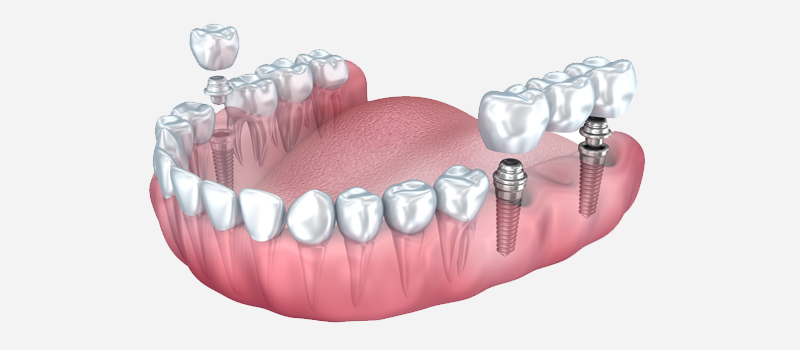
If you’re missing only a few of your teeth, implant-supported crowns are worth looking into. Patients who have undergone extensive tooth loss are often suitable candidates for implant-supported dentures.
The Treatment Process
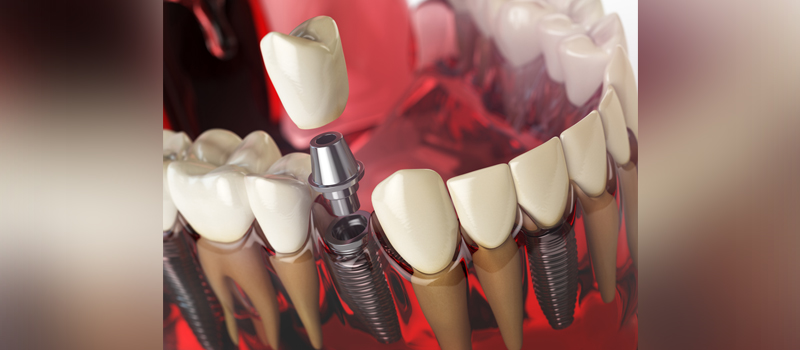
Before you can undergo implant surgery, our dentist in Dublin, CA, must first evaluate you to check if you have healthy gums and sufficient bone tissue to support the artificial tooth roots or dental implants in Dublin. We take x-rays to gather insights that may be hidden to the naked eye. We also take your dental impressions.
For the implant procedure, our dentist near me start by administering anesthesia for your comfort. Next, the dentists make holes in your bone and place the implants into these holes. The tooth implants fuse with the bone over several months, after which you’ll receive your permanent restorations in the form of crowns or dentures.
In the case of Same Day Teeth, temporary restorations are placed immediately. Same Day Teeth are ideal for patients who’ve experienced significant tooth loss and are looking to transform their smile instantly.
Benefits of Implant-Supported Restorations
Some key advantages of implant-supported crowns and dentures near you include:
- Implant-supported crowns don’t require reshaping of natural tooth enamel.
- Implant-supported dentures are well-secured and can never fall out of your mouth.
- Implants keep your bone stimulated, preventing bone atrophy and bite collapse.
- Implants closely mimic your natural teeth in regards to aesthetics and function.
- Implants are easy to care for, as you only need to clean them as you would your natural teeth.
- Implants are a permanent restoration. You only require to get them placed once, and you can look forward to using them for a lifetime. However, the crowns and dentures may need replacement if they get significantly worn, which may happen in about ten years.
To find out if implant-supported crowns and dentures are right for you, book an appointment with View Mobile Dental today.
FAQs
Implant-supported crowns and dentures replace missing teeth by attaching restorations to dental implants placed in the jawbone. They can offer more support than removable dentures. At View Mobile Dental, advanced imaging and personalized planning help guide care for patients seeking a dentist in Dublin, CA.
Implant-supported dentures connect to implants instead of resting only on the gums. This support can reduce slipping while you eat, speak, or smile. Many patients choose this option when they want tooth replacement that feels more secure than traditional removable dentures.
Treatment may take several months because implants need time to heal and bond with the jawbone. Your timeline depends on your oral health, bone support, and the type of restoration planned. Imaging may be used to check whether implants are a safe option for you.
During implant placement, local anesthesia helps numb the area, allowing the procedure to be completed with minimal discomfort and without sharp pain. Some soreness or swelling can happen afterward and is usually temporary. If you are comparing options from a dentist, ask about comfort, healing, and aftercare before treatment.
Yes, implant-supported dentures may improve chewing because they are anchored to implants for added support. They may feel steadier than loose removable dentures. Your dentist will review your gums, bone structure, and bite before deciding whether this treatment fits your needs.
An implant-supported crown may be recommended when one tooth is missing, and the nearby teeth do not need crowns for support. A dental implant helps restore stability, comfort, and function to your smile. Patients searching for a dentist in 94568 often ask about this option for single-tooth replacement.
Yes, a consultation is needed before implant treatment. Your dentist checks your gums, bone support, bite, and medical history. Some patients begin with teledentistry questions, but an in-person exam and imaging are usually needed before final treatment planning.
Clean implant-supported dentures every day and follow your dentist’s home-care instructions. Regular dental visits are also important so the implants, attachments, and gums can be checked. Good brushing, routine exams, and professional cleanings help protect the tissues around the implants.
Mobile dentistry may help with certain follow-up visits when travel is difficult. It can support routine checks, denture concerns, or care guidance when appropriate. Patients searching for mobile dentistry near me should still expect an office visit when imaging or implant procedures are needed.
Call a dentist if your implant denture feels loose, painful, or different when you bite. The issue may involve the attachment, restoration, or surrounding tissue. A prompt exam helps identify the cause and protects your implant-supported restoration from further problems.