
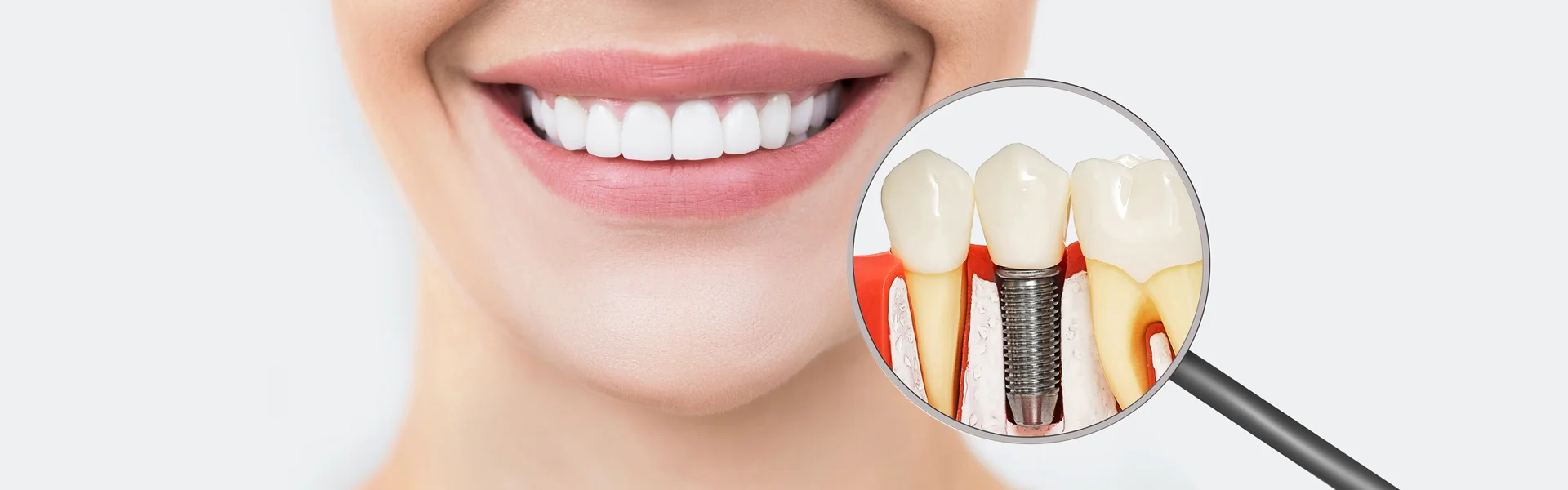
What Kind of After-Care Is Required Once the Implant Is Placed?
A dental implant needs calm, careful healing to thrive. The first days matter, but so do the weeks that follow. This guide walks you through each stage, from day one to full function. You will learn what to expect, what to avoid, and how to protect your new implant for the long haul. If you are comparing options for dental implants in Dublin, CA, use these steps to plan your recovery and keep your smile on track.
Immediate Post-Surgery Care: The First 24–48 Hours
Think soft foods, rest, and gentle care. Your implant and bone are beginning a long process called osseointegration. Help that process with a simple plan:
- Control bleeding: Bite on the gauze as directed. A small amount of oozing is normal.
- Reduce swelling: Use a cold pack on the cheek in short intervals during the first day.
- Protect the site: Do not touch the area with your fingers or tongue.
- Eat smart: Choose cool, soft foods, yogurt, smoothies, eggs, and soups at room temperature.
- Skip heat and suction: Avoid hot drinks, straws, and smoking. Heat and suction can disrupt the clot.
- Rest with your head elevated: This limits swelling and discomfort.
Take only the medications your dentist provided or approved. If antibiotics were prescribed, finish the course. If you search “dentist near me” for extra guidance, follow instructions tailored to your case, not generic tips.
Maintaining Oral Hygiene Around the Implant Site
Clean mouths heal better. Start with a gentle rinse 24 hours after surgery, unless your dentist has set another timeline.
- Rinse: Use a salt-water rinse (½ teaspoon of salt in a cup of warm water) two to three times a day. Let it fall from your mouth, no forceful swishing.
- Brush: Brush other teeth as usual. Near the implant, use a soft brush with light strokes. Avoid the surgical site until your dentist says it is safe.
- Floss with care: When allowed, slide floss rather than snapping it down. Consider floss threaders or interdental brushes made for implants.
- Mouthwash: If a prescription rinse is provided, use it as directed. Do not mix it with other products unless advised.
Diet still matters. For one to two weeks, favor soft proteins and well-cooked grains. Limit crunchy seeds and hard snacks that can irritate the gums. If you live outside the area and rely on a dentist in 33426 or another ZIP code, the same hygiene rules apply. Ask for local product recommendations that suit your gums and implant parts.
Monitoring Healing and Recognizing Warning Signs
Normal healing brings mild soreness, slight swelling, and light bruising that fades over several days. Each day should feel a bit better. Keep a simple log of your pain level, swelling, and diet. Call your dental team if you notice:
- Bleeding that restarts or does not slow after following instructions
- Increasing pain or swelling after day three
- Fever, foul taste, or pus around the site
- Implant or abutment movement
- Gum tissue that opens or does not seem to close
Most issues are easy to manage when caught early. If you are traveling or seeking an urgent check, search for a dentist’s office near me and bring your surgical notes or post-op instructions so the team can help fast.
Long-Term Care: Weeks to Months
Once the gum closes and your dentist confirms that the implant is stable, you will shift from “healing” to “maintenance.”
- Daily cleaning tools: A soft brush, low-abrasive toothpaste, and interdental brushes with nylon-coated wires.
- Night guard if you grind: Grinding can stress implant parts. A guard spreads the load and protects the bone-implant connection.
- Regular checkups: Professional cleanings and implant checks keep the tissues healthy and confirm proper torque on screws.
- Steady diet choices: Eat a full range of foods after clearance, but avoid using teeth as tools to open packages or crack hard shells.
- Lifestyle support: Tobacco slows healing and raises the risk of peri-implant disease. Cutting it out helps the implant last.
Remember: the crown is strong, but the surrounding gum and bone need care. Clean the gum line with intent, not force. Focus on consistency over pressure.
Final Thoughts
Great implant outcomes come from teamwork, your home care, plus precise follow-ups. Take it day by day in the first week, then keep a steady hygiene routine. If anything feels off, call your dentist and get seen sooner rather than later. For patients in any city, a quick search for “dentist office” can help in a pinch, but your surgical team should remain your first call. For compassionate, detail-driven care from placement to final crown, you can count on Terrell Hills Dental.